
One of my favorite things about living in DFW is watching our communities change and grow. I’ve lived and worked here for decades, and if there is one thing I know about Dallas, it is that we rarely sit still.
Even as a Real Estate agent, who prides herself on knowing what is happening throughout the city, it can be hard to keep up. Lately, it seems as though every week brings another announcement: a major company choosing Dallas, a familiar corner being reimagined, or a development that could completely change the character of an area.
And these projects are about much more than new buildings. They influence where people work, where they want to live, how we move around the city and, ultimately, the value and desirability of the neighborhoods surrounding them.
Here are four developments I’m watching particularly closely.
Morgan Stanley Makes a Major Bet on Dallas
Dallas has been steadily building its reputation as a financial center, but Morgan Stanley’s decision to establish a new regional headquarters here feels like another significant step.
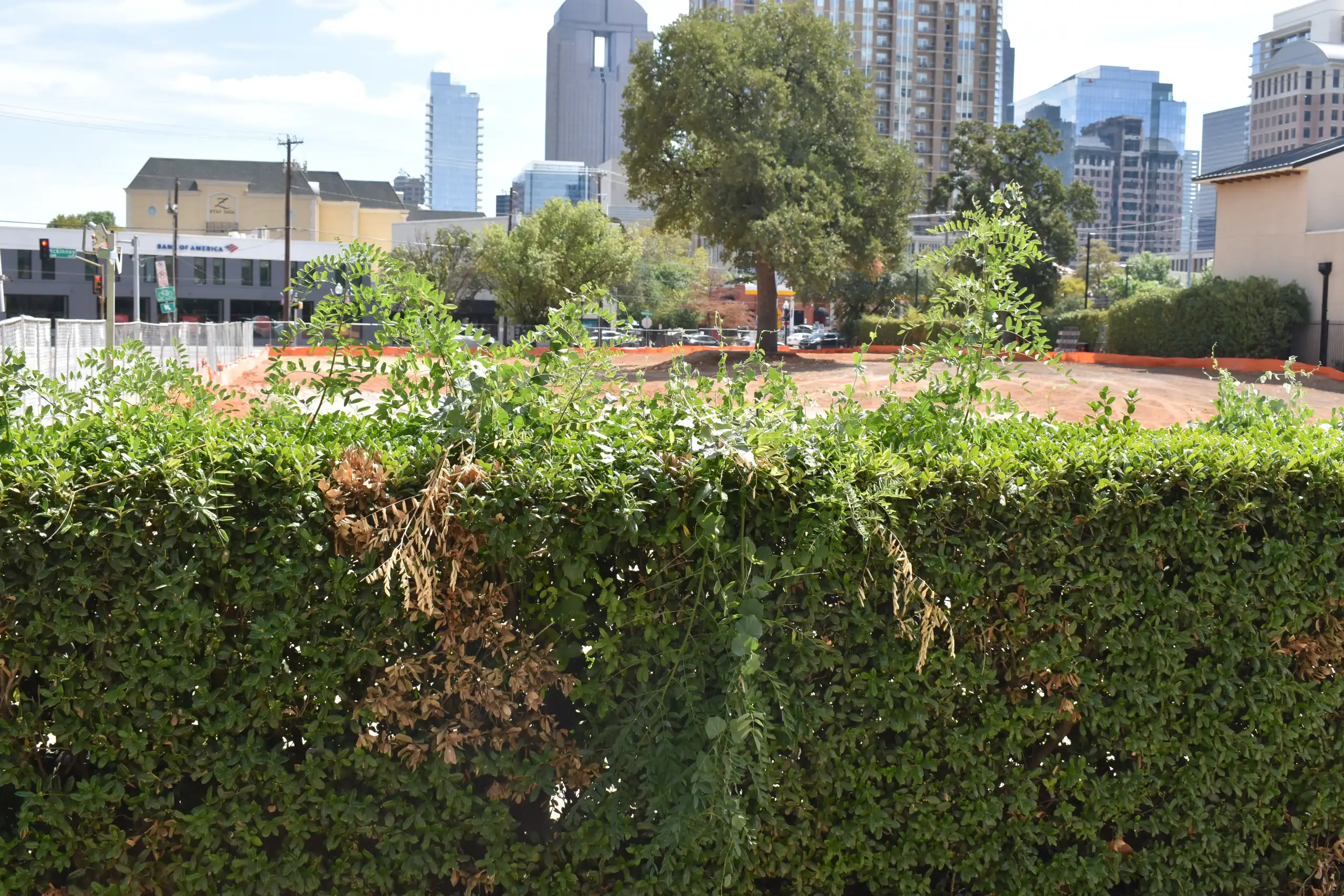
The company plans to invest approximately $684 million in Dallas and expects the regional hub to eventually accommodate more than 3,800 employees. Morgan Stanley will initially operate from Fountain Place before moving into a new tower planned for the corner of McKinney Avenue and Fairmount Street.
The new headquarters will also be less than a mile from Goldman Sachs’ new campus, which is expected to be completed in 2028. Morgan Stanley’s arrival adds another major financial institution to an area that is quickly becoming one of the country’s notable financial employment centers.
Why I’m watching it: Corporate relocations don’t happen in isolation. Thousands of employees mean housing, schools, restaurants, retail and services. And many of those employees will be looking at the neighborhoods I work in every day—particularly the Park Cities, Preston Hollow and surrounding areas.
For years, we talked about companies relocating to Dallas. Increasingly, the conversation is about what happens to Dallas because they came.
Preston Royal: A Familiar Corner Facing a Very Different Future
Few projects have generated as much conversation in Preston Hollow as the proposed redevelopment at Preston Road and Royal Lane.
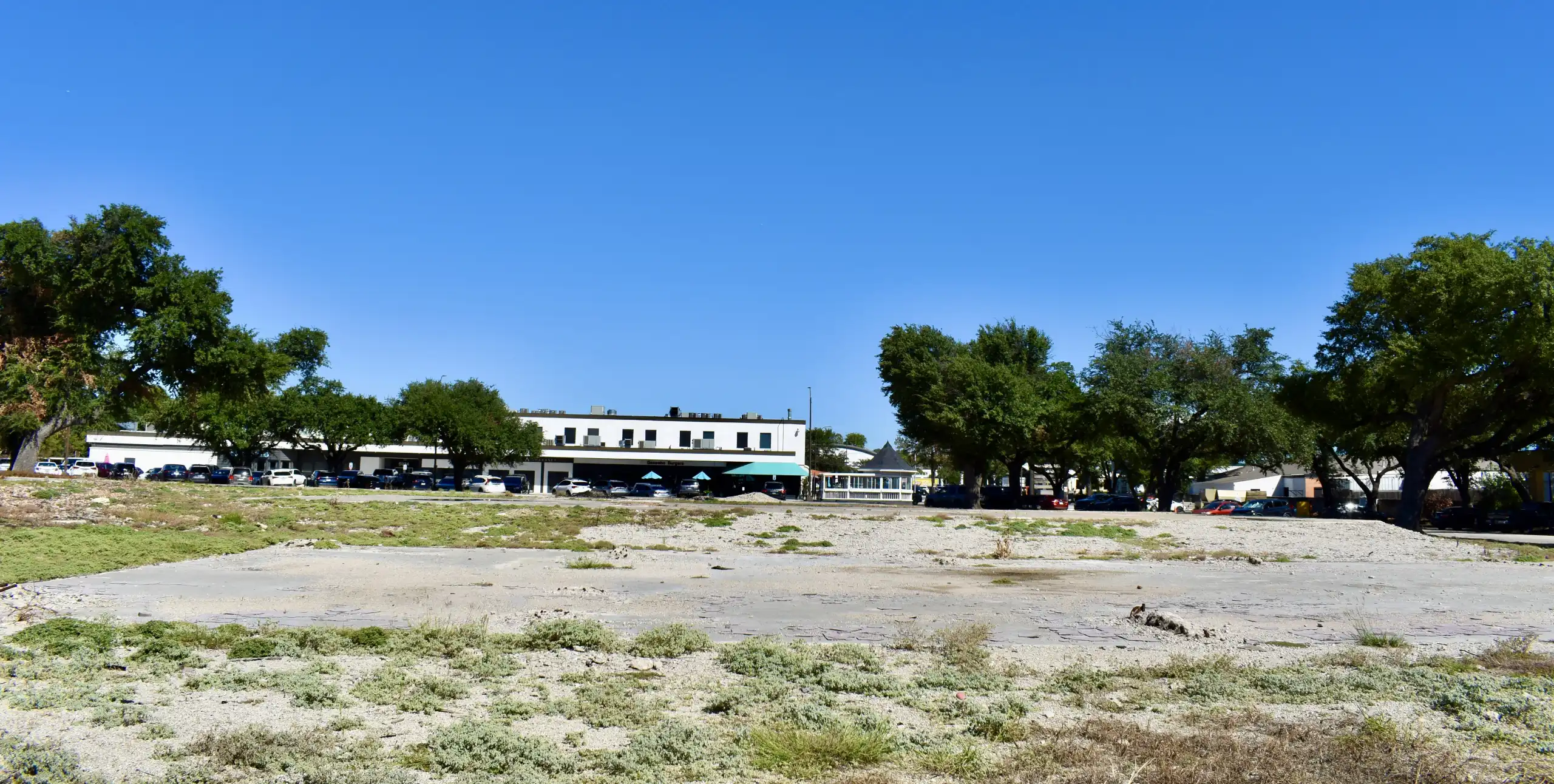
Burk Interests and Greenway Investment Co. have proposed a substantial mixed-use development that could include hotel rooms, condominiums, apartments, office space, retail and restaurants. The proposal requires a dramatic zoning change: existing community retail zoning allows a maximum height of 54 feet, while the revised project seeks buildings reaching roughly 240 feet.
Not surprisingly, the proposal has met significant neighborhood opposition, particularly concerning height, density, traffic and the project’s proximity to single-family homes. The developer has revised the plans along the way, including reducing the height of the tallest tower. The City Plan Commission ultimately recommended approval by an 11–4 vote, with the matter moving on to City Council.
Why I’m watching it: This is exactly the kind of development where growth and neighborhood character collide.
I have lived in Preston Hollow for more than 20 years, and I understand why people care so deeply about what happens here. Preston and Royal isn’t simply another intersection—it sits in the middle of an established residential community.
Whatever ultimately happens with this project, the discussion surrounding it raises an important question Dallas will increasingly have to answer: How do we accommodate growth without losing the qualities that made our neighborhoods desirable in the first place?
Valley View: Could This Become the Mavericks’ New Home?
Anyone who remembers Valley View Mall may have a hard time imagining what could eventually occupy that enormous piece of land.
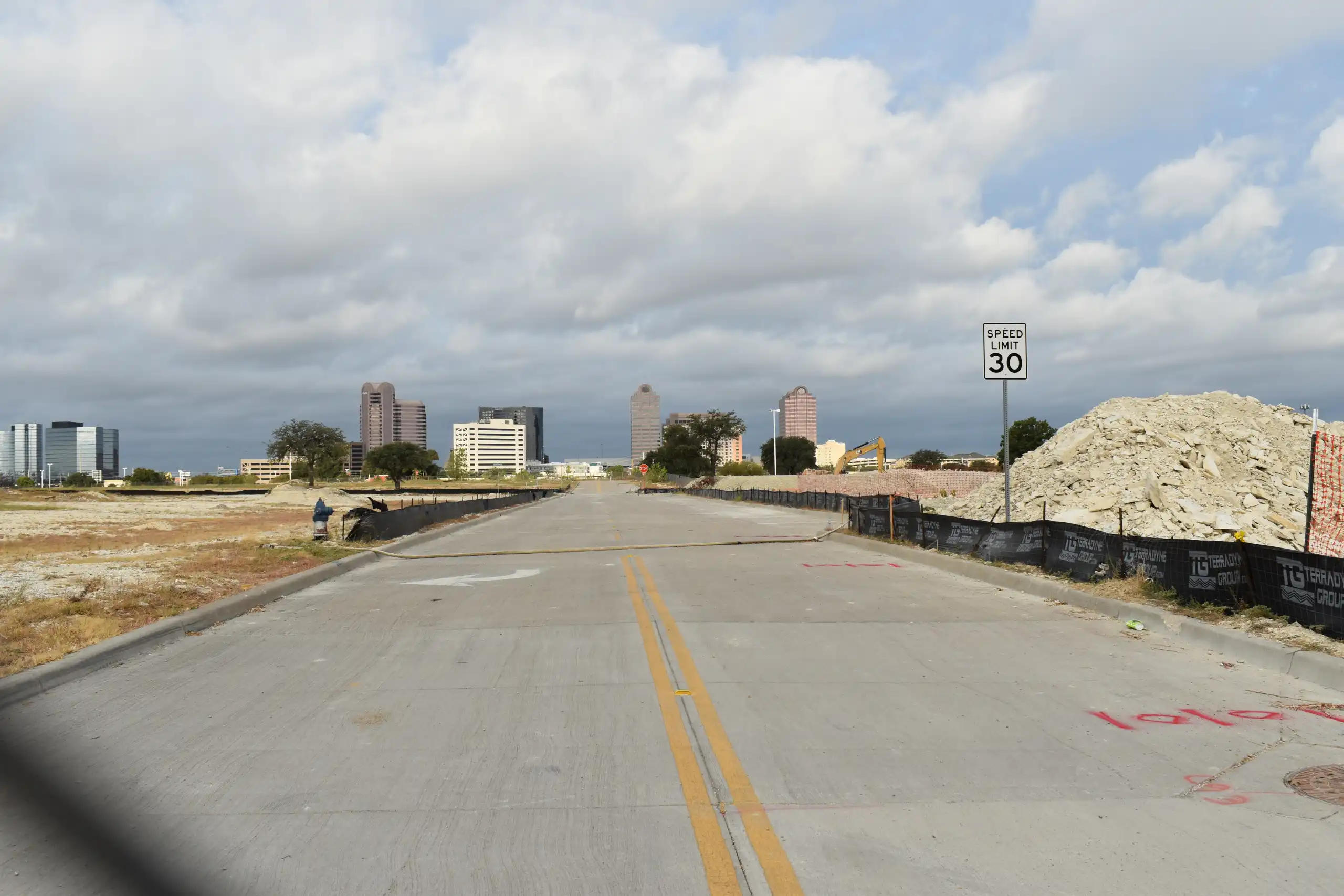
The Dallas Mavericks have begun the rezoning process for 112 acres at and around the former Valley View Center site. The concept is far bigger than an arena. The team has described the potential project as a mixed-use sports and entertainment destination with restaurants, entertainment, public green space and family-oriented uses surrounding a new arena.
The Mavericks have an option to purchase the property, with a deadline to close in January 2028. The agreement calls for a Mavericks subsidiary to ultimately pay approximately $51 million for the site.
There is another fascinating piece to this story. Dallas’ Mall Area Redevelopment Tax Increment Financing District connects the Valley View area in North Dallas with the RedBird area in southern Dallas. The idea is that increases in property-tax value can help fund infrastructure and economic development within the broader district.
Why I’m watching it: This has the potential to create an entirely new destination in North Dallas.
For years, we’ve driven past the former Valley View site wondering what would finally happen there. An arena surrounded by restaurants, entertainment and green space could fundamentally alter not only that property but the surrounding North Dallas corridor.
There are still plenty of steps between a proposal and opening night, so I wouldn’t call the moving trucks just yet. But this is one to watch.
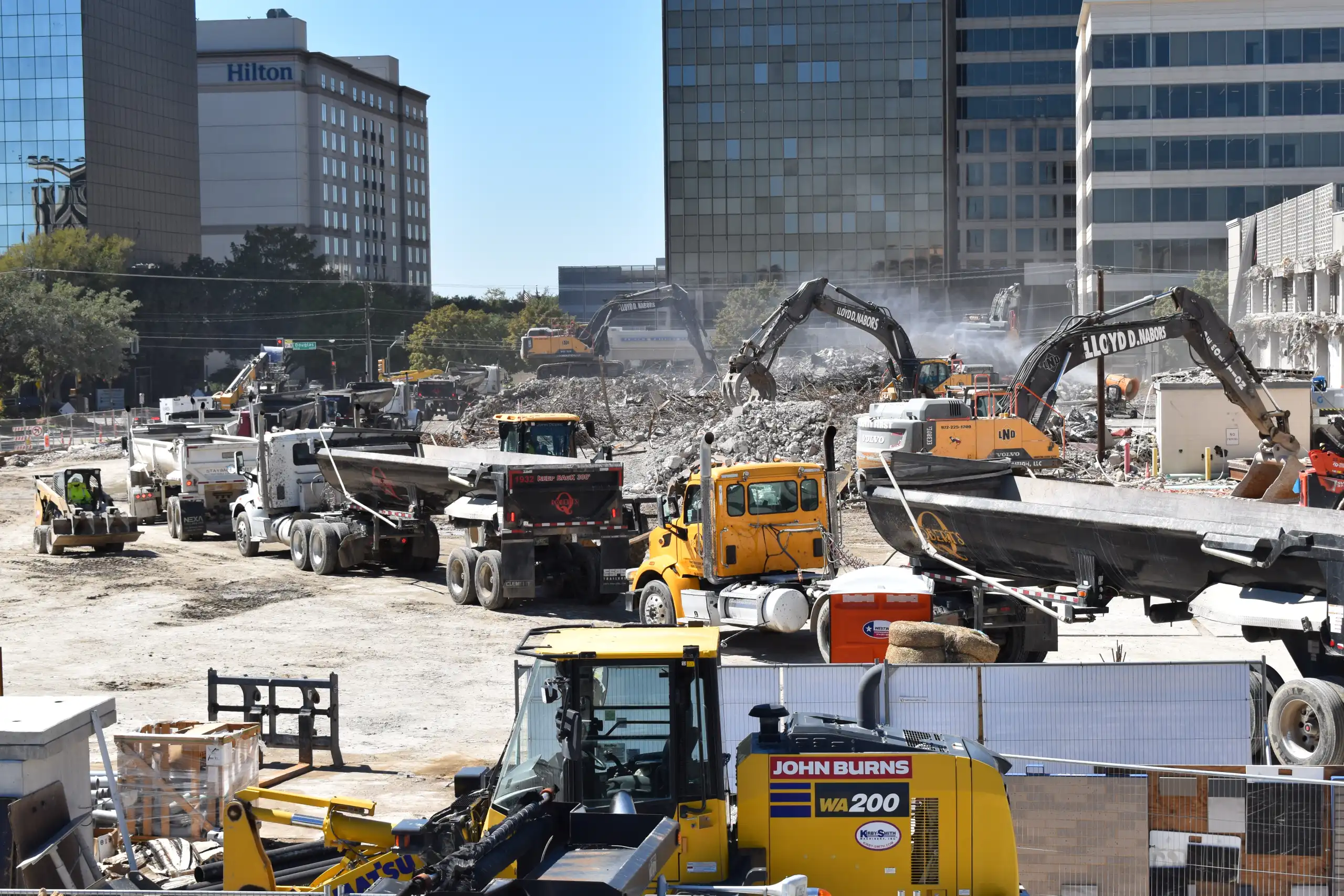
8300 Douglas: A New Chapter for Preston Center
While some developments are creating entirely new destinations, 8300 Douglas is particularly interesting because it is changing an area that is already woven into everyday life for so many Dallas residents.
The Preston Center project is scheduled for delivery in 2028 and is planned to include a 12-story Class AA office tower with approximately 300,000 square feet of office space, a 17-story residential tower with 147 luxury residences, approximately 24,000 square feet of restaurants and retail, and a 35,000-square-foot rooftop park.
The project is being developed by RAMROCK Real Estate in partnership with Lincoln Property Company and Willow Bridge Property Company. Fifth Third Bank has already committed to the office tower for its regional headquarters, helping bring the building to more than 80% pre-leased, according to JLL.
What interests me most, however, isn’t simply the size of the buildings. The plans emphasize landscaped walkways, outdoor dining, green space, public art and greater street-level activity—essentially pushing Preston Center further toward a true live-work-dine neighborhood rather than simply a collection of office buildings and shopping centers.
Why I’m watching it: Preston Center sits between some of Dallas’ most established residential neighborhoods. Adding residences, restaurants, offices and green space could make an already desirable area considerably more active—and more walkable.
For buyers who tell me they want the convenience of city living without necessarily living downtown or in Uptown, developments like this are particularly interesting.
So, What Does All This Mean for Dallas Real Estate?
This is the part I find most fascinating.
Real estate values aren’t determined by the house alone. They are influenced by everything happening around it—jobs, schools, restaurants, traffic, walkability, amenities and the overall direction of a neighborhood.
Morgan Stanley represents job growth and Dallas’ expanding financial sector. Preston Royal represents the difficult conversation surrounding density and preserving established neighborhoods. The former Valley View property represents the possibility of creating an entirely new destination.
And 8300 Douglas represents the continued evolution toward mixed-use, walkable neighborhoods.
They are very different projects, but together they tell the same larger story:
Dallas is growing up as much as it is growing out.
For most of our history, Dallas growth meant pushing farther north and building farther out. That’s still happening, of course, but some of the most interesting development today is happening right in the middle of neighborhoods we already know.
And that is why I pay such close attention to these projects. A development announcement that seems like commercial real estate news today can become a very important residential real estate story tomorrow.
After all these years in Dallas real estate, that’s still one of my favorite parts of the job: knowing not only what a neighborhood is today, but watching what it may become next.
Social Cookies
Social Cookies are used to enable you to share pages and content you find interesting throughout the website through third-party social networking or other websites (including, potentially for advertising purposes related to social networking).